
Modernizing Secure Access
CISCO AnyConnect has been retired effective June 1, 2026
Cisco AnyConnect has served as the University's primary remote access solution for many years. However, as our digital environment has grown (and as the ways we work, learn, and collaborate have evolved), the limitations of traditional VPN architecture have become increasingly apparent.
Rather than routing all traffic through a single, centralized tunnel, modern security principles call for granular, identity-driven access controls that evaluate every connection on its own merit. This approach — commonly referred to as Zero Trust Network Access (ZTNA) — is the foundation of the new model we are adopting.

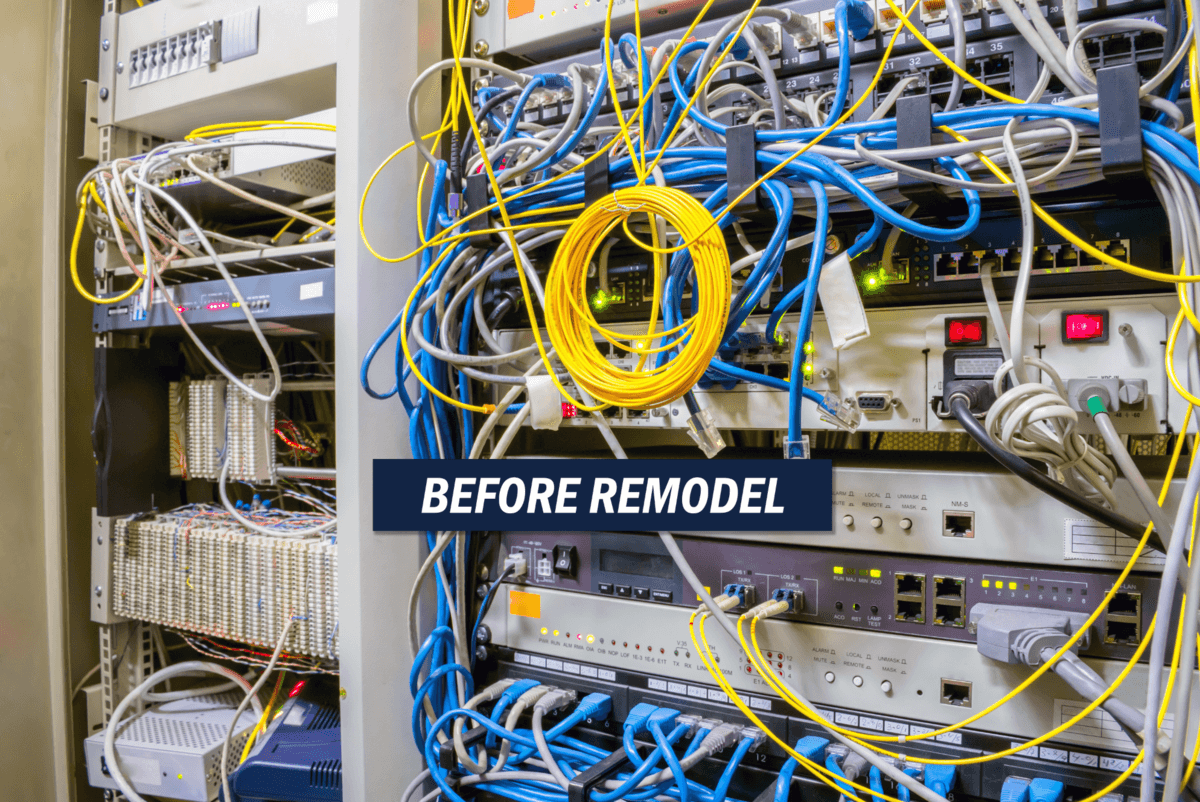


You will no longer need to connect to a VPN before accessing most university applications. Instead, accessis managed per-application, per-user, and per-device — providing a faster, more seamless experiencewhile significantly raising the security baseline for the entire institution.
Inside the VPN Transition Process
Why We’re Retiring CISCO AnyConnect
Howard University is transitioning away from CISCO AnyConnect and introducing a more secure, scalable, and user-centered framework for accessing University applications off campus. Cisco AnyConnect has served as a reliable VPN solution for many years, but evolving security requirements, user experience expectations, and architectural best practices now require a different approach. Organizations are increasingly moving away from full-tunnel VPN models toward Zero Trust and application-level access, which reduces risk and improves usability. This initiative supports those goals by shifting to a more modern access framework that is better aligned with today’s hybrid work environment. From a security perspective, limiting broad network access and instead granting access only to specific applications reduces the attack surface and improves visibility. From a user perspective, this change aims to simplify access by reducing unnecessary VPN connections for users who do not truly need them.
This project is the result of sustained analysis that began in May 2025 with a review of VPN usage across the organization. ETS has taken a data‑driven approach we reviewed usage trends and application dependencies, followed by UAT and pilot testing. These findings showed that some workflows require VPN, while others do not. As a result, VPN use is being narrowed to where it adds clear value. VPN access will be more purpose‑driven and applied intentionally. This approach improves reliability and simplifies support for schools and colleges.
Introducing Private Entra Access
Entra Private Access is Howard University’s modern approach to accessing internal applications securely. Without relying on traditional VPN connections. Instead of giving broad access to the entire network, this new model connects you only to the specific applications you need, when you need them. This makes access simpler for users while strengthening overall security. Entra Private Access follows a “Zero Trust” model, meaning access is never assumed; it’s verified every time. With this enhancement, most users will notice a simpler, faster experience. This has been observed and documented during our UAT pilot sessions with groups within the organization.
The bottom line? Entra Private Access is a modern, secure, and streamlined way to connect to university resources. It allows Howard University to - deliver a better user experience; protect sensitive systems more effectively; and support a flexible, hybrid work environment. Less complexity for users. More security for everyone.
Requesting Access for Private Entra Access
Getting started with Entra Private Access is simple. Submit your access request using the Microsoft Entra Private Access form provided to begin a streamlined onboarding process. Requests are automatically routed to the ETS team for configuration and device onboarding, with additional support available from our certified Help Desk team.
Requesting Application Access for Private Entra Access
Applications included in Entra Private Access are curated to ensure alignment with current security standards. It currently supports applications with common use cases, such as file sharing and print services. To maintain a secure rollout, applications that handle regulated, clinical, HIPAA, or other sensitive data are not included at this time but may be evaluated for future phases. Users who require access to additional applications should indicate the application name within the request form and select “Other” under connected resources. A SysOps team member will engage directly to assess feasibility and to guide next steps.
Supporting Documentation & Links
Entra Private Access requires a Howard University issued and managed device enrolled in our device management system.
- Request Private Entra Access
- Request Application AVD Scenario
- Request Application Scenario